The way we consume entertainment has changed dramatically in the last decade. Streaming services like Netflix, Disney+, Spotify, and Hulu have transformed how people watch movies, TV shows, and listen to music. Traditional methods, like cable TV and CDs, are no longer the only option. Streaming offers convenience, variety, and on-demand access, making entertainment more accessible than ever.
In this article, we will explore how streaming services have changed the entertainment industry and what this means for consumers, creators, and businesses.
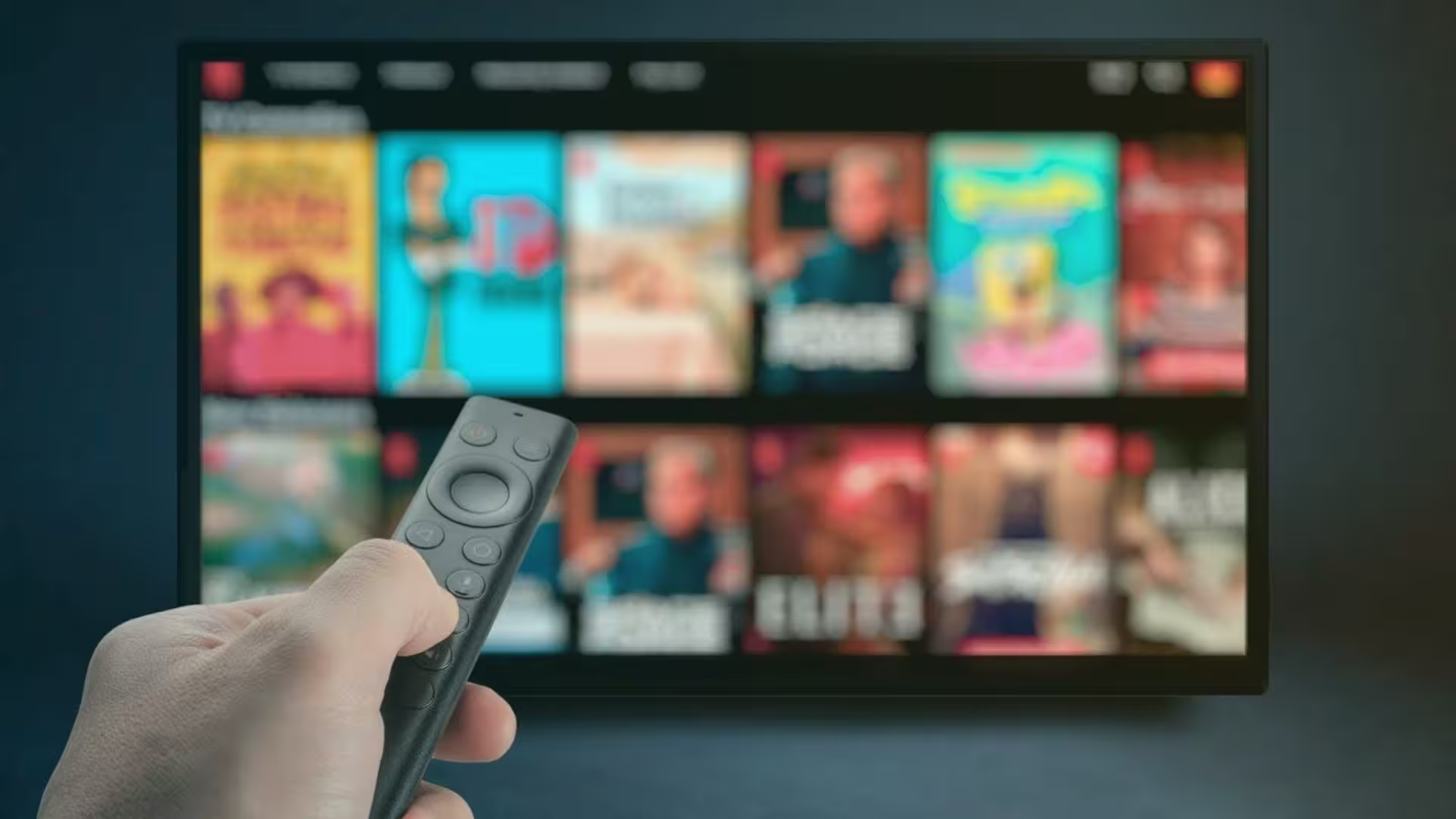
1. On-Demand Access to Content
One of the biggest changes brought by streaming is on-demand access. Viewers no longer need to follow strict TV schedules or visit stores to buy DVDs or CDs.
How It Works:
- Users can watch movies, shows, or listen to music whenever they want.
- Content is available across devices—smartphones, tablets, smart TVs, and computers.
- Streaming platforms often provide entire seasons of shows at once, allowing binge-watching.
On-demand access has made entertainment more flexible and convenient, catering to modern lifestyles.
2. Personalized Recommendations
Streaming platforms use algorithms to analyze user preferences and suggest content. This level of personalization was not possible with traditional media.
How It Works:
- Platforms track viewing or listening history.
- Recommendations are based on genres, actors, or similar content.
- Users discover new shows, movies, or music tailored to their tastes.
Personalization keeps users engaged and improves satisfaction by delivering content they are likely to enjoy.
3. Global Access and Diversity of Content
Streaming services have made global content more accessible. Shows, movies, and music from different countries are now just a click away.
How It Works:
- Platforms provide subtitles, dubbing, and multiple language options.
- International content reaches new audiences without the need for distribution deals.
- Viewers explore diverse stories and cultures from the comfort of their home.
This globalization of entertainment has expanded cultural exposure and created new opportunities for creators worldwide.
4. Impact on Traditional Media
Streaming has disrupted traditional entertainment industries like cable TV, movie theaters, and physical media stores.
Examples:
- Cable subscriptions have declined as viewers switch to streaming platforms.
- Box office revenues have shifted as some films are released directly online.
- DVD and CD sales have decreased as digital content becomes dominant.
Traditional media companies are adapting by launching their own streaming services to compete in this new landscape.
5. New Opportunities for Creators
Streaming platforms have opened new avenues for filmmakers, musicians, and content creators. Independent creators can reach global audiences without relying on major studios or record labels.
How It Works:
- Platforms invest in original content, funding diverse stories.
- Creators can distribute content directly to viewers worldwide.
- Analytics from streaming platforms provide insights into audience preferences.
This democratization of content creation allows more voices to be heard and encourages innovation.
6. Subscription-Based Business Models
Most streaming services operate on subscription models, providing predictable revenue streams and removing dependence on advertisements or physical sales.
How It Works:
- Users pay monthly or yearly fees for unlimited access to content.
- Some platforms offer ad-supported free tiers for wider reach.
- Subscription models encourage continuous investment in new content.
This shift benefits both consumers, who enjoy ad-free experiences, and creators, who receive consistent funding.
7. Challenges and Competition
While streaming has many benefits, it has also created challenges. The market is highly competitive, and users face subscription fatigue.
Challenges Include:
- Multiple platforms leading to increased monthly expenses for consumers.
- Content fragmentation, where favorite shows are spread across different services.
- Pressure on creators to produce high-quality content constantly to retain subscribers.
Despite these challenges, streaming continues to shape the future of entertainment.
8. The Future of Entertainment
Streaming is likely to keep evolving with new technology and consumer habits. Innovations like live streaming, interactive content, and virtual reality may further change how we consume media.
Trends to Watch:
- AI-driven content creation and recommendations.
- Hybrid release models combining theaters and streaming.
- Enhanced accessibility for global audiences.
The entertainment industry will continue adapting, focusing on convenience, personalization, and global reach.
Streaming services have revolutionized the entertainment industry by providing convenience, personalized experiences, global content, and new opportunities for creators. While challenges like subscription fatigue and competition exist, the benefits for consumers and creators are undeniable. The industry has shifted from traditional media to a digital-first approach, offering a more connected and diverse entertainment experience.
For more insights into how technology is transforming industries and entertainment, you can check Resultat Pmu for practical guidance and examples.