Keeping your home clean and organized can feel overwhelming, especially if you don’t have a plan. A cleaning schedule can help you maintain a tidy space, reduce stress, and save time. By organizing chores into manageable tasks and setting realistic timelines, cleaning becomes easier and more efficient.
In this article, we will guide you through creating a cleaning schedule that actually works for your lifestyle.
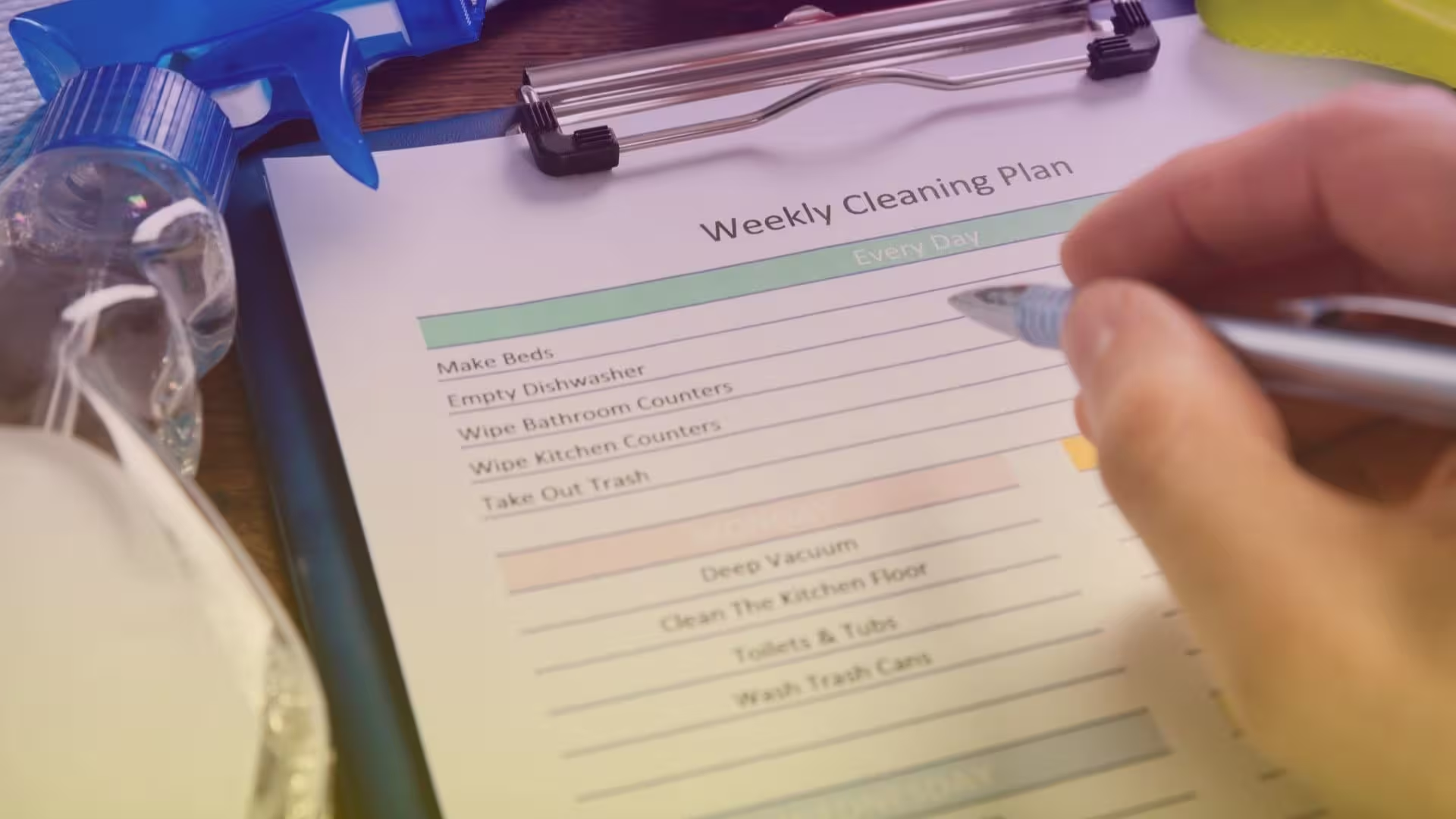
1. Assess Your Cleaning Needs
Before creating a schedule, understand what your home needs. Consider the size of your home, the number of occupants, and the frequency of use for each area.
Tips:
- Identify high-traffic areas like the kitchen, living room, and bathrooms.
- Note tasks that need daily attention, such as dishes, laundry, or wiping counters.
- List less frequent tasks, like deep cleaning carpets or washing windows.
Knowing your cleaning needs helps prioritize tasks and prevents unnecessary effort.
2. Break Tasks Into Daily, Weekly, and Monthly Chores
Dividing chores into daily, weekly, and monthly tasks makes cleaning manageable.
Daily Tasks:
- Make beds and tidy bedrooms.
- Wash dishes or load the dishwasher.
- Wipe kitchen counters and dining areas.
- Take out trash.
Weekly Tasks:
- Vacuum and mop floors.
- Clean bathrooms thoroughly.
- Dust furniture and shelves.
- Change bed linens.
Monthly Tasks:
- Clean windows and mirrors.
- Deep clean appliances like ovens and refrigerators.
- Organize closets and storage spaces.
- Wash curtains or blinds.
Breaking chores down ensures you tackle everything without feeling overwhelmed.
3. Set Realistic Time Frames
Avoid cramming too many tasks into one day. Assign realistic time frames for each task to make the schedule sustainable.
Tips:
- Allocate 15–30 minutes for daily chores.
- Set aside a couple of hours for weekly cleaning.
- Reserve one day per month for deep cleaning.
Realistic timing keeps cleaning manageable and prevents burnout.
4. Use a Calendar or Planner
Visual tools like calendars or planners help keep track of tasks and maintain consistency.
Tips:
- Use a physical planner, wall calendar, or digital calendar.
- Assign specific tasks to specific days.
- Set reminders to stay on track.
A visual schedule makes it easier to see progress and ensures nothing is forgotten.
5. Involve Household Members
If you live with family, roommates, or a partner, involve them in cleaning. Sharing responsibilities saves time and keeps everyone accountable.
Tips:
- Assign specific tasks to each person based on ability.
- Rotate chores weekly to avoid monotony.
- Encourage teamwork to make cleaning more enjoyable.
Shared responsibilities make cleaning faster and less stressful for everyone.
6. Stay Flexible
Life can be unpredictable, so allow flexibility in your schedule. Some days, you may have less time for chores, while other days you can do more.
Tips:
- Prioritize essential tasks if time is limited.
- Move less urgent chores to another day.
- Adjust your schedule as your needs change over time.
Flexibility ensures your cleaning routine remains realistic and stress-free.
7. Use Cleaning Shortcuts
Efficiency is key to maintaining a cleaning schedule. Use shortcuts and strategies to save time.
Tips:
- Keep cleaning supplies in every major area to reduce travel time.
- Use multi-purpose cleaners to tackle multiple surfaces.
- Clean as you go—for example, wipe counters while cooking.
Smart habits make cleaning easier and reduce the total time spent.
8. Reward Yourself
Maintaining a cleaning schedule requires consistency. Rewarding yourself can keep motivation high.
Ideas:
- Take a relaxing break after completing chores.
- Watch a favorite show or enjoy a small treat.
- Celebrate a clean and organized home with family or friends.
Positive reinforcement helps maintain the habit over time.
Conclusion
A cleaning schedule simplifies household maintenance, saves time, and reduces stress. By assessing your cleaning needs, breaking tasks into daily, weekly, and monthly chores, setting realistic time frames, involving household members, and staying flexible, you can create a routine that works for you. Using visual planners and cleaning shortcuts makes the process even more efficient.
For more tips on organizing your home, maintaining routines, and managing tasks effectively, you can check Resultat Pmu for helpful guidance and resources.