Long-distance travel can be exciting, but it can also be tiring and uncomfortable. Whether you are traveling by plane, train, bus, or car, long hours can affect your body, mood, and energy levels. Planning ahead and following certain best practices can make your journey more enjoyable and less stressful.
This guide will share practical tips to help you stay comfortable, healthy, and relaxed during long trips.
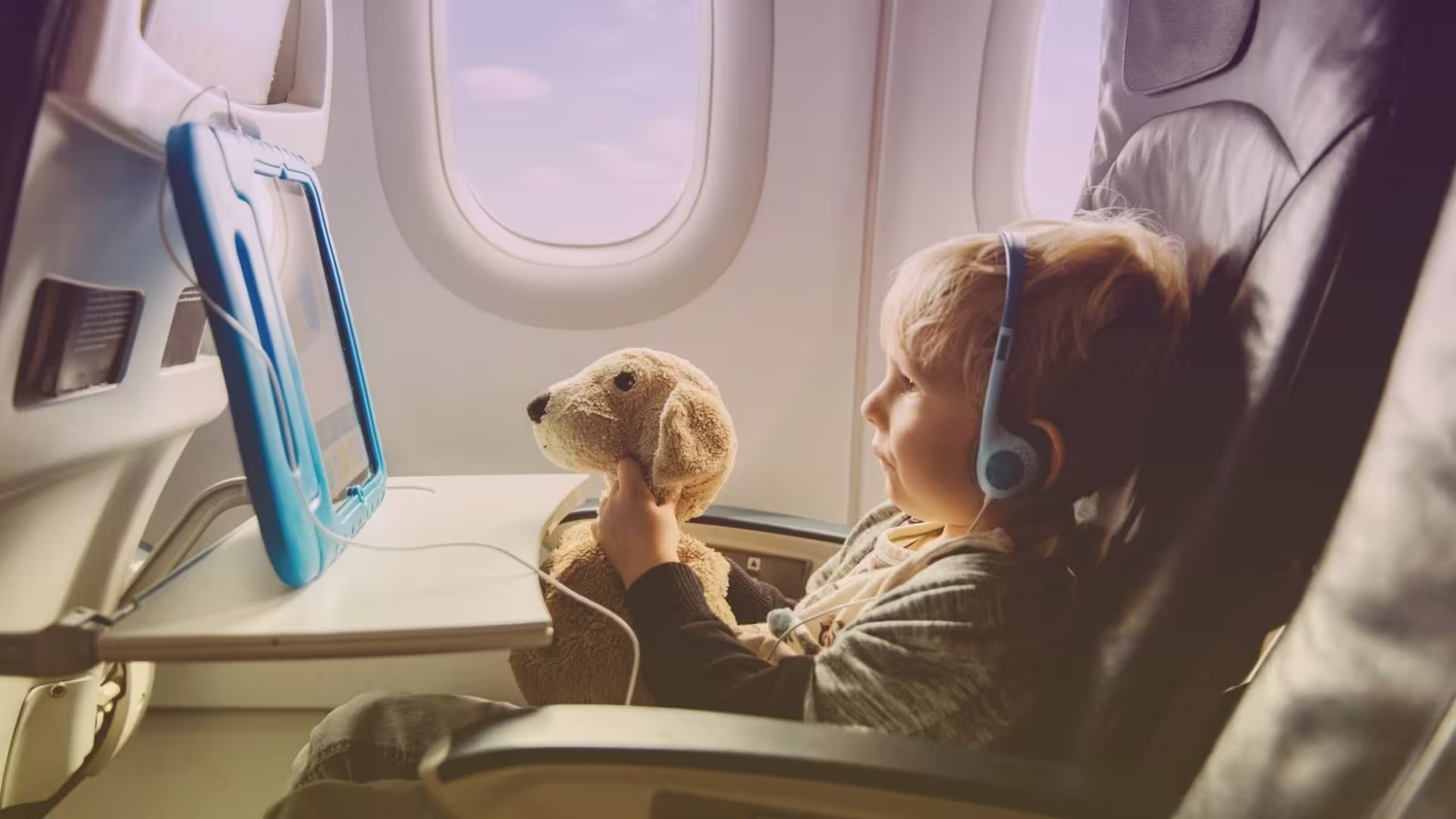
1. Choose the Right Seat
Your seating choice can greatly impact comfort during long travel.
Tips:
- For flights, choose aisle seats for easy access to restrooms and freedom to stretch.
- For trains or buses, select a window seat if you want to rest or enjoy the view.
- Consider extra legroom options when available.
- Recline your seat moderately to avoid pressure on your lower back.
A good seating choice helps reduce stiffness and fatigue during long hours.
2. Dress Comfortably
Wearing the right clothing is essential for comfort during long-distance travel.
Tips:
- Wear loose, breathable clothing to stay comfortable and prevent overheating.
- Use layers that can be added or removed depending on the temperature.
- Comfortable shoes are important, especially if walking through terminals or stations.
- Compression socks help prevent swelling in the legs and improve circulation.
Comfortable clothing reduces discomfort and helps you feel relaxed.
3. Stay Hydrated
Dehydration is common during long trips, especially on planes.
Tips:
- Drink plenty of water throughout the journey.
- Limit caffeine and alcohol, as they can increase dehydration.
- Carry a refillable water bottle for convenience.
Staying hydrated keeps your energy up and prevents headaches or fatigue.
4. Move Regularly
Sitting for long periods can cause stiffness, muscle cramps, and poor circulation.
Tips:
- Stand up and walk around whenever possible, such as during restroom breaks.
- Perform simple stretches while seated: rotate ankles, stretch arms, and twist your torso.
- For flights, practice leg stretches in the aisle when safe.
Regular movement reduces discomfort and lowers the risk of blood clots during long travel.
5. Support Your Body Properly
Supporting your neck, back, and legs makes a significant difference in comfort.
Tips:
- Use a neck pillow to support your head while sleeping or resting.
- Consider a lumbar cushion to support the lower back.
- Adjust your posture frequently to avoid stiffness.
- Use footrests if available to elevate your legs slightly.
Proper support reduces pain and fatigue during extended journeys.
6. Plan Your Meals and Snacks
Eating smartly during long travel helps maintain energy and prevents digestive discomfort.
Tips:
- Pack light, healthy snacks such as nuts, fruits, and granola bars.
- Avoid heavy, greasy, or overly salty foods that can cause bloating.
- Eat smaller portions more frequently instead of large meals.
Balanced meals and snacks help you feel comfortable and energized throughout the trip.
7. Bring Entertainment and Comfort Items
Keeping yourself occupied and comfortable makes travel less stressful.
Tips:
- Carry headphones, books, or downloaded movies for entertainment.
- Bring a travel blanket or shawl for warmth.
- Use eye masks and earplugs to block light and noise during sleep.
- Pack essential items like hand sanitizer, tissues, and a travel pillow in an accessible bag.
Being prepared with comfort items improves your overall travel experience.
You Can Also Read: plan-a-trip-step-by-step
8. Manage Sleep and Rest
Rest is key for long-distance travel comfort, especially on overnight trips.
Tips:
- Adjust your sleep schedule before departure if traveling across time zones.
- Take short naps during the journey to avoid fatigue.
- Use sleep aids like pillows, eye masks, or calming music if needed.
Proper rest helps you arrive feeling refreshed and ready for your destination.
9. Plan for Travel Stress
Long journeys can be mentally tiring, not just physically.
Tips:
- Arrive early to avoid rushing through check-ins or security.
- Keep important documents like tickets, ID, and travel insurance easily accessible.
- Practice deep breathing or mindfulness exercises to reduce anxiety.
- Stay patient and flexible; unexpected delays can happen.
Managing travel stress contributes to a more comfortable and enjoyable journey.
Conclusion
Long-distance travel doesn’t have to be uncomfortable. Choosing the right seat, dressing comfortably, staying hydrated, moving regularly, supporting your body, eating wisely, bringing entertainment, resting properly, and managing stress are all essential practices for a smooth journey.
By following these tips, you can reduce fatigue, prevent discomfort, and enjoy your trip from start to finish. For more travel tips, packing hacks, and comfort strategies, you can check Resultat Pmu for practical guidance and resources.