Composting is an easy and eco-friendly way to reduce household waste while creating nutrient-rich soil for your garden. By recycling food scraps and organic materials, you not only help the environment but also improve plant growth and soil health.
If you’re new to composting, this beginner’s guide will help you understand the basics, get started, and maintain a successful composting routine at home.
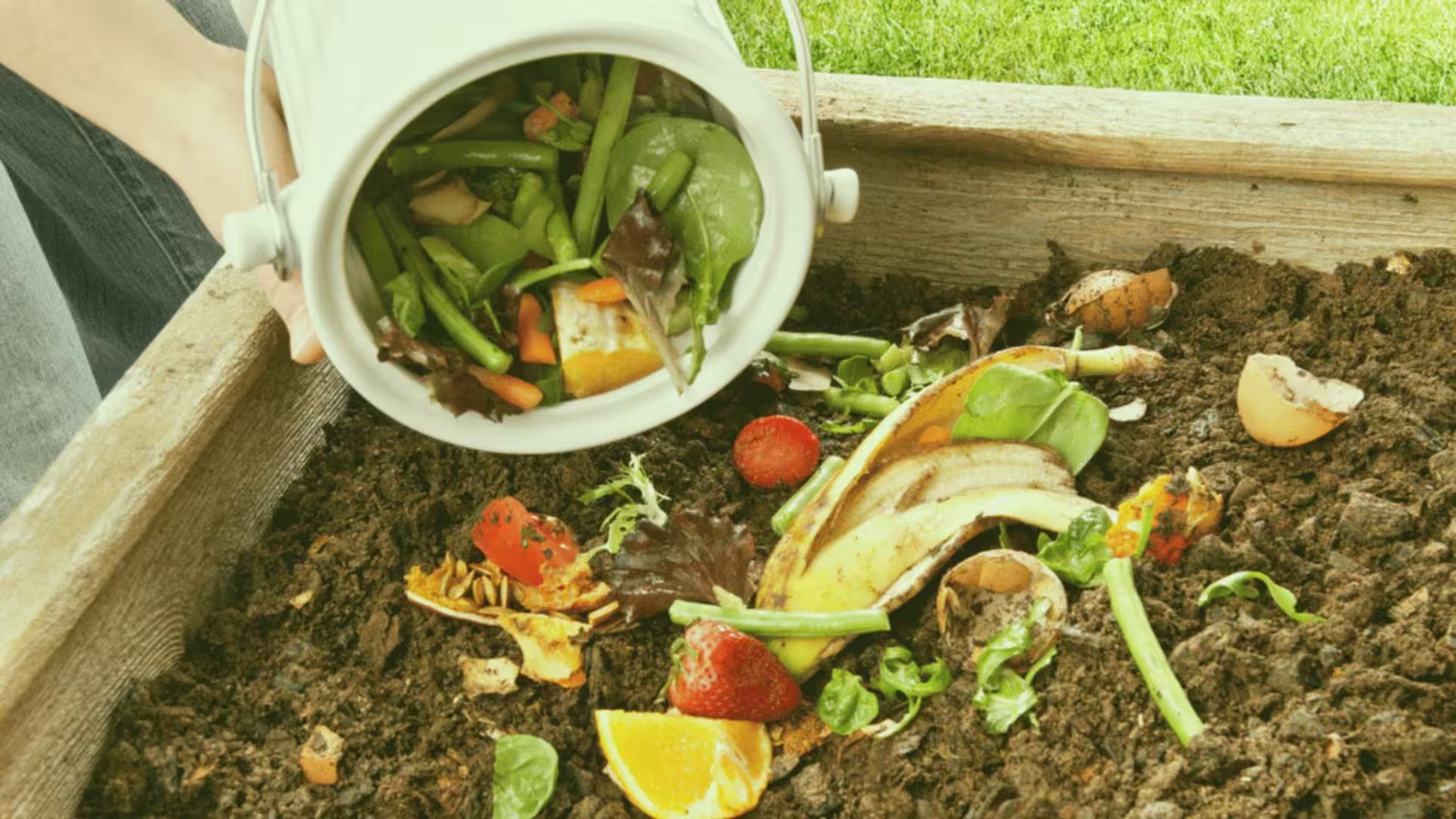
1. What is Composting?
Composting is the natural process of breaking down organic waste like food scraps, yard trimmings, and paper products into a nutrient-rich soil amendment called compost. Microorganisms, worms, and insects work together to decompose organic materials, turning them into a dark, earthy-smelling substance that enriches soil.
Benefits of Composting:
- Reduces household waste and landfill use.
- Improves soil structure, moisture retention, and fertility.
- Encourages healthy plant growth in gardens or potted plants.
- Supports environmental sustainability by reducing greenhouse gases.
2. Choosing a Composting Method
There are different ways to compost depending on your space, lifestyle, and available resources.
Options:
- Outdoor Composting: Ideal for gardens and backyards. Use a compost bin or pile to manage materials.
- Indoor Composting: Suitable for apartments or small spaces. Use a small kitchen compost bin with a lid or worm composting (vermicomposting).
- Tumbler Composting: A rotating compost bin that speeds up decomposition and makes mixing easy.
Choose the method that fits your space and daily routine.
3. What to Compost
Successful composting requires a balance of green and brown materials.
Green Materials (Nitrogen-Rich):
- Fruit and vegetable scraps
- Coffee grounds and tea leaves
- Grass clippings and plant trimmings
Brown Materials (Carbon-Rich):
- Dry leaves and twigs
- Shredded paper and cardboard
- Sawdust or straw
Avoid composting meat, dairy, oily foods, or pet waste as they can attract pests and create odors.
4. Setting Up Your Compost Bin
Proper setup ensures faster and odor-free composting.
Steps:
- Choose a well-drained spot with good airflow for outdoor bins.
- Place a layer of brown materials at the bottom for aeration.
- Alternate layers of green and brown materials.
- Moisten the pile lightly to keep it damp but not wet.
- Cover with a lid or cloth to retain moisture and heat.
A well-maintained bin promotes faster decomposition and healthy compost.
5. Maintaining Your Compost
Regular care keeps your compost healthy and odor-free.
Tips:
- Turn or mix the compost every 1–2 weeks to add oxygen.
- Check moisture levels; it should feel like a damp sponge.
- Chop or shred large pieces for faster decomposition.
- Add water if the pile is too dry or more brown materials if too wet.
Consistent maintenance speeds up composting and prevents pests.
6. How Long Does Composting Take?
The time it takes depends on the method, materials, and maintenance.
- Hot composting: 2–3 months with proper turning and moisture.
- Cold composting: 6–12 months with minimal maintenance.
- Vermicomposting: 2–4 months with worms processing kitchen scraps.
Patience is key; the final compost should be dark, crumbly, and have an earthy smell.
7. Using Your Compost
Finished compost can be used in various ways to improve plant health and soil quality.
Uses:
- Mix into garden soil to enhance fertility.
- Use as a top layer on flower beds or vegetable gardens.
- Enrich potting soil for indoor or balcony plants.
- Apply as mulch to retain moisture and reduce weeds.
Compost provides essential nutrients and supports sustainable gardening.
You Can Also Read: energy-saving-tips-home
8. Tips for Success
- Keep a small kitchen bin for daily scraps to make composting convenient.
- Balance green and brown materials to avoid bad odors.
- Start small and gradually increase compost volume as you gain confidence.
- Educate family members or roommates to participate in the process.
Following these tips ensures a smooth and effective composting routine.
Conclusion
Composting at home is a simple, sustainable, and rewarding way to manage waste and enrich soil. By choosing the right method, maintaining a balance of green and brown materials, and caring for your compost regularly, you can turn everyday scraps into valuable nutrients for your garden. With patience and consistency, composting becomes an easy habit that benefits both your home and the environment.
For more practical tips on sustainable living, home projects, and eco-friendly practices, you can check Resultat Pmu for helpful guidance and resources.