Saving energy at home is good for both your wallet and the environment. Small changes in daily habits, appliances, and home maintenance can lead to significant savings over time. Reducing energy consumption not only lowers your electricity bills but also decreases your carbon footprint, contributing to a healthier planet.
In this article, we will explore practical energy-saving tips that can be applied in every home.
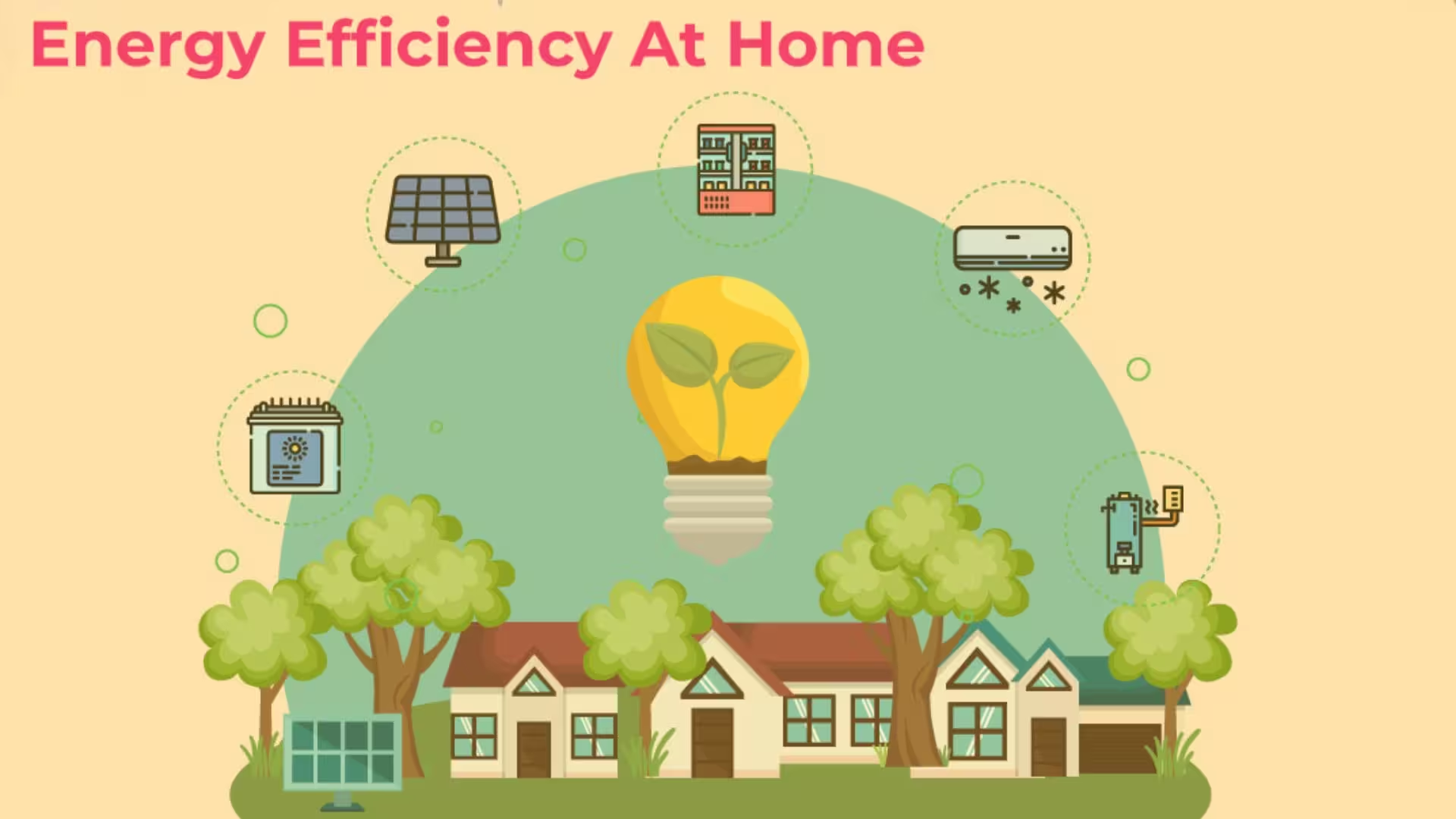
1. Use Energy-Efficient Appliances
Energy-efficient appliances consume less electricity and perform the same tasks as regular models.
Tips:
- Look for appliances with energy star ratings.
- Replace old refrigerators, air conditioners, or water heaters with energy-saving models.
- Use LED bulbs instead of incandescent lights to save power.
Investing in efficient appliances may have a higher upfront cost but saves money in the long run.
2. Unplug Devices When Not in Use
Many devices consume energy even when turned off but still plugged in. This is known as “phantom energy.”
Tips:
- Unplug chargers, televisions, computers, and kitchen appliances when not in use.
- Use power strips to switch off multiple devices at once.
- Schedule charging devices during active hours to avoid unnecessary standby consumption.
Small actions like these can significantly reduce energy waste.
3. Optimize Heating and Cooling
Heating and cooling are often the largest energy consumers in homes. Optimizing their use can reduce costs.
Tips:
- Set thermostats to moderate temperatures—lower in winter, higher in summer.
- Use ceiling fans to circulate air and reduce AC use.
- Seal windows and doors to prevent drafts and maintain indoor temperature.
Efficient heating and cooling reduce electricity usage without compromising comfort.
4. Insulate Your Home
Proper insulation keeps your home warm in winter and cool in summer, reducing the need for heating or air conditioning.
Tips:
- Insulate walls, roofs, and attics to prevent heat loss.
- Use weather stripping around doors and windows.
- Install thermal curtains to reduce heat transfer.
A well-insulated home saves energy and improves comfort throughout the year.
5. Use Natural Light and Ventilation
Maximizing natural light reduces the need for electric lighting during the day. Proper ventilation minimizes the need for fans or AC.
Tips:
- Open curtains and blinds to let in sunlight.
- Place workspaces near windows for daylight.
- Use cross-ventilation to cool your home naturally.
Natural solutions are free, eco-friendly, and effective in lowering energy consumption.
You Can Also Read: cleaning-schedule-tips
6. Practice Smart Water Heating
Water heating can be a significant energy cost. Efficient use and maintenance help save energy.
Tips:
- Lower water heater temperature to 120°F (49°C).
- Take shorter showers and fix leaky faucets.
- Insulate hot water pipes to reduce heat loss.
Smart water heating reduces electricity bills and conserves energy.
7. Maintain Appliances Regularly
Regular maintenance ensures appliances work efficiently and consume less energy.
Tips:
- Clean air filters in ACs, heaters, and ventilation systems.
- Defrost refrigerators and freezers regularly.
- Service major appliances annually to keep them in optimal condition.
Well-maintained appliances last longer and save money on energy and repairs.
8. Use Smart Home Devices
Smart technology can help monitor and reduce energy consumption.
Tips:
- Install programmable thermostats to control heating and cooling.
- Use smart plugs to schedule device usage.
- Monitor energy usage with apps to identify high-consumption devices.
Smart devices make energy-saving convenient and automated.
9. Educate Household Members
Energy-saving habits work best when everyone in the household participates.
Tips:
- Turn off lights when leaving a room.
- Encourage responsible use of appliances.
- Teach children about the importance of saving energy.
Small actions by everyone in the home collectively reduce electricity usage.
Conclusion
Saving energy at home is simple with the right strategies. Using energy-efficient appliances, unplugging devices, optimizing heating and cooling, insulating your home, and practicing smart water and lighting habits all contribute to lower energy bills and a healthier environment. Regular maintenance, smart home devices, and family participation make energy conservation easier and more effective.
For more tips on saving money, improving home efficiency, and practical guidance, you can check Resultat Pmu for helpful resources.