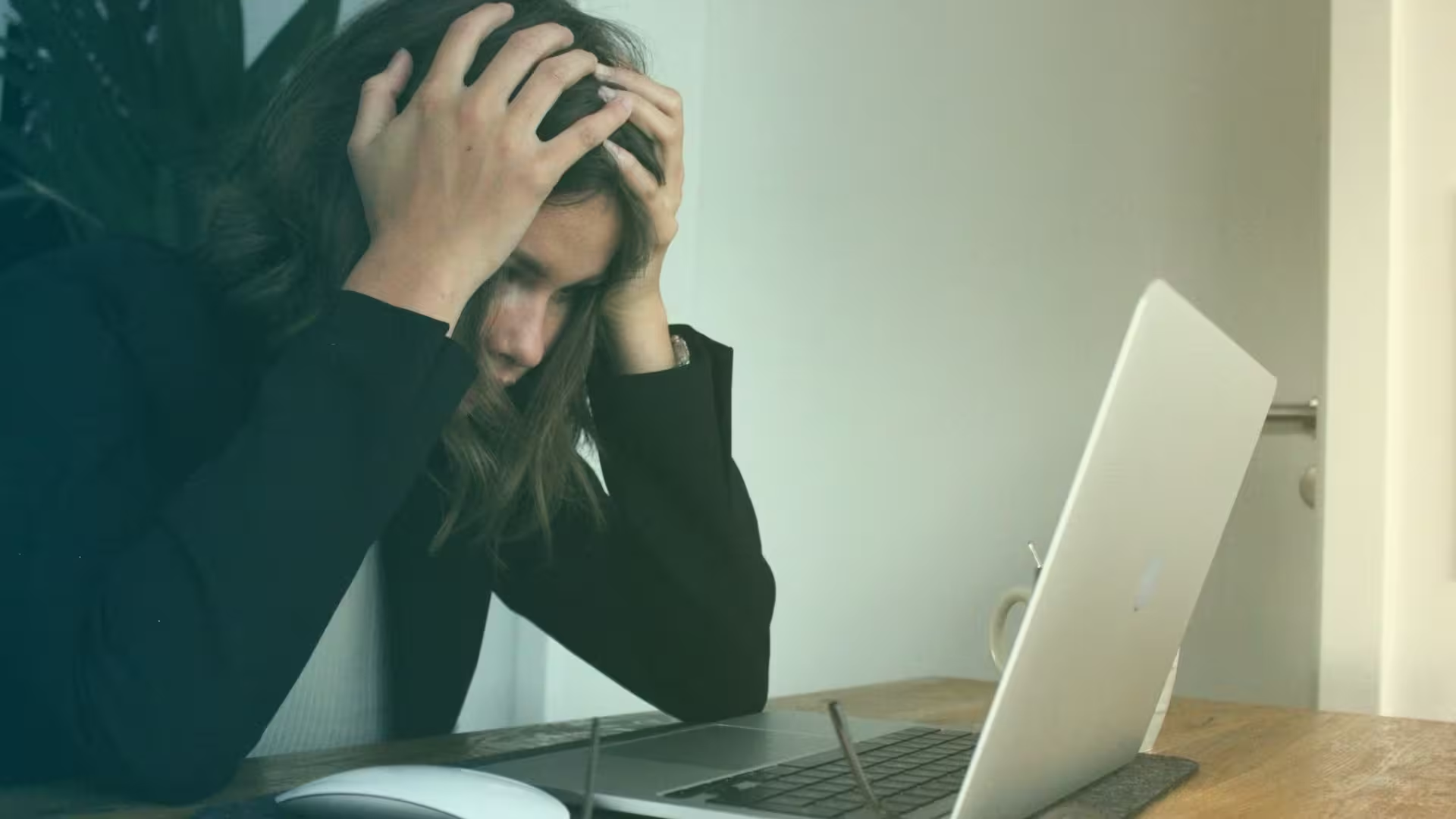
Stress is a natural part of life, but when it becomes excessive, it can negatively affect your health, mood, and productivity. Learning how to manage stress effectively can help you feel calmer, focus better, and improve overall well-being. The good news is that small, daily techniques can make a big difference in controlling stress.
In this article, we will explore simple stress management techniques that you can incorporate into your daily routine.
1. Practice Deep Breathing
Deep breathing is one of the easiest ways to reduce stress quickly. It helps calm the nervous system and lowers heart rate.
How to Practice:
- Sit or lie down comfortably.
- Inhale slowly through your nose for 4 counts.
- Hold your breath for 2 counts.
- Exhale slowly through your mouth for 6 counts.
- Repeat for 5–10 minutes.
Deep breathing can be used anytime, whether at work, home, or before an important task.
2. Exercise Regularly
Physical activity is a powerful stress reliever. Exercise releases endorphins, chemicals that improve mood and reduce anxiety.
Examples of Simple Exercises:
- Walking or jogging for 20–30 minutes daily.
- Yoga or stretching routines to relax muscles.
- Light home workouts like bodyweight exercises.
Regular exercise not only reduces stress but also improves overall health and energy levels.
3. Practice Mindfulness and Meditation
Mindfulness helps you stay present and avoid overthinking, while meditation calms the mind and reduces stress.
How to Practice:
- Focus on your breath or a simple mantra.
- Observe thoughts without judgment.
- Start with 5–10 minutes daily and gradually increase the duration.
Mindfulness techniques can be practiced during short breaks at work or at home to regain calm.
4. Maintain a Healthy Routine
A structured daily routine helps reduce uncertainty and stress. Knowing what to expect and planning your day prevents feeling overwhelmed.
Tips for a Healthy Routine:
- Set consistent wake-up and sleep times.
- Allocate time for work, rest, meals, and hobbies.
- Avoid overloading your schedule; prioritize essential tasks.
A balanced routine provides stability and mental clarity.
5. Connect with Others
Talking to friends, family, or colleagues can relieve stress and provide support. Sharing feelings reduces the emotional burden.
How to Implement:
- Schedule regular calls or meet-ups with loved ones.
- Join social groups, clubs, or community activities.
- Seek support from mentors or counselors if needed.
Positive social connections improve emotional well-being and reduce feelings of isolation.
6. Limit Stress Triggers
Identify sources of stress in your life and find ways to minimize them. Reducing exposure to unnecessary stressors prevents burnout.
Examples:
- Limit time on negative news or social media.
- Organize your workspace to reduce chaos.
- Avoid multitasking excessively and focus on one task at a time.
Small adjustments can significantly reduce daily stress levels.
7. Engage in Relaxing Activities
Incorporating enjoyable activities into your day helps recharge your mind and body.
Examples:
- Reading a book, listening to music, or drawing.
- Spending time in nature or gardening.
- Practicing hobbies like cooking, knitting, or photography.
Regular relaxation activities provide a mental break and improve mood.
You Can Also Read: sleep-quality-health
8. Practice Positive Thinking
A positive mindset can reduce the impact of stress. Focusing on solutions rather than problems helps maintain mental balance.
How to Practice:
- Keep a gratitude journal and write down things you are thankful for.
- Replace negative self-talk with constructive thoughts.
- Celebrate small achievements to boost confidence.
Positive thinking encourages resilience and coping with stress more effectively.
9. Prioritize Sleep
Lack of sleep increases stress and reduces the ability to manage daily challenges. Good sleep hygiene is essential.
Tips for Better Sleep:
- Go to bed and wake up at consistent times.
- Avoid caffeine and heavy meals before bed.
- Create a calm sleep environment: dark, quiet, and cool.
Quality sleep improves mood, focus, and overall stress resilience.
Conclusion
Stress is a part of life, but it doesn’t have to control you. By practicing deep breathing, regular exercise, mindfulness, healthy routines, and positive thinking, you can manage stress effectively. Connecting with others, engaging in relaxing activities, limiting stress triggers, and prioritizing sleep further strengthen your mental and physical well-being.
For more practical tips and insights on managing stress and improving daily life, you can check Resultat Pmu for guidance and helpful resources.